


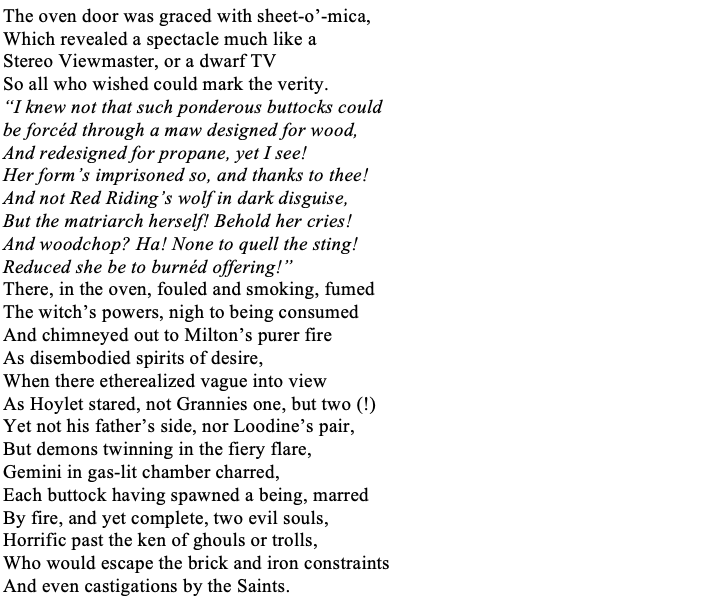
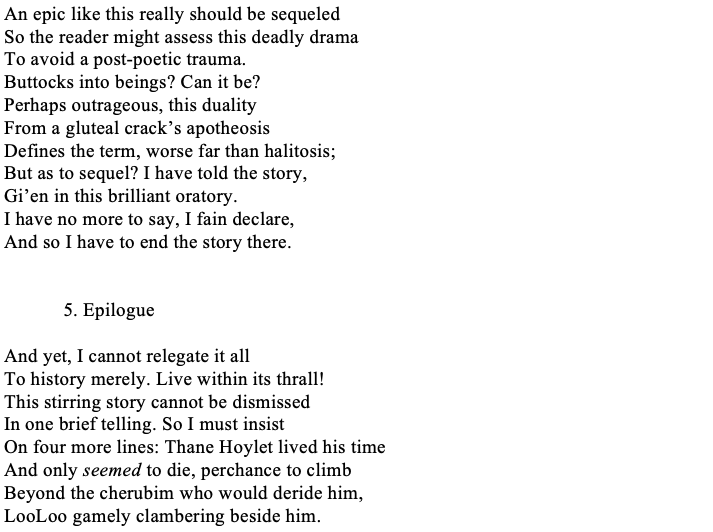
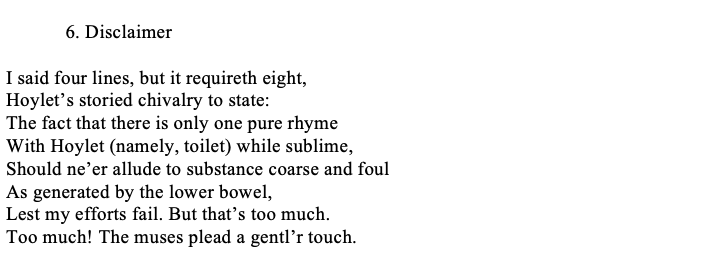
The Epic Ballad of Hoylet and Loodine
A Morality Tale in Pentametric Couplets




Thrush Song
Two versions of this verse about a thrush at the Spring above the Ranch, circa 2007.
THRUSH SONG lyrics

Still more original music
Ivy League Alma Mater.
Garage Band does pretty good trombones. All we need is words… Anybody? Theme 96
Traditional, but pretty, I think. Theme 98
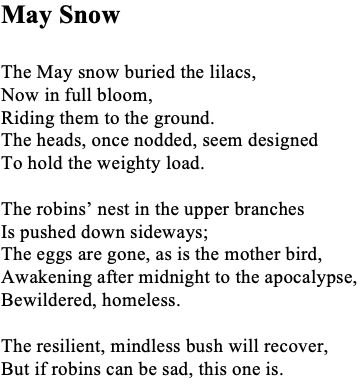
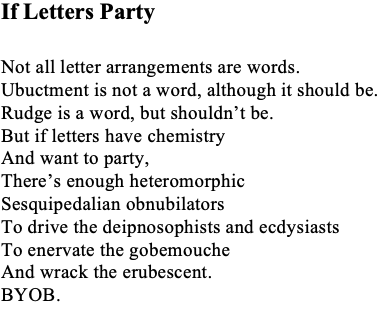
Three New Poems


Third Chronicles
Good Heavens! Imagine my surprise in finding in a disused attic this partial manuscript of Third Chronicles, a previously unknown book of the Bible. This should follow Second Chronicles, but is anachronistic, being written, obviously, by some sort of scribe in later times. Unfortunately, it doesn’t have an ending. But check it out.
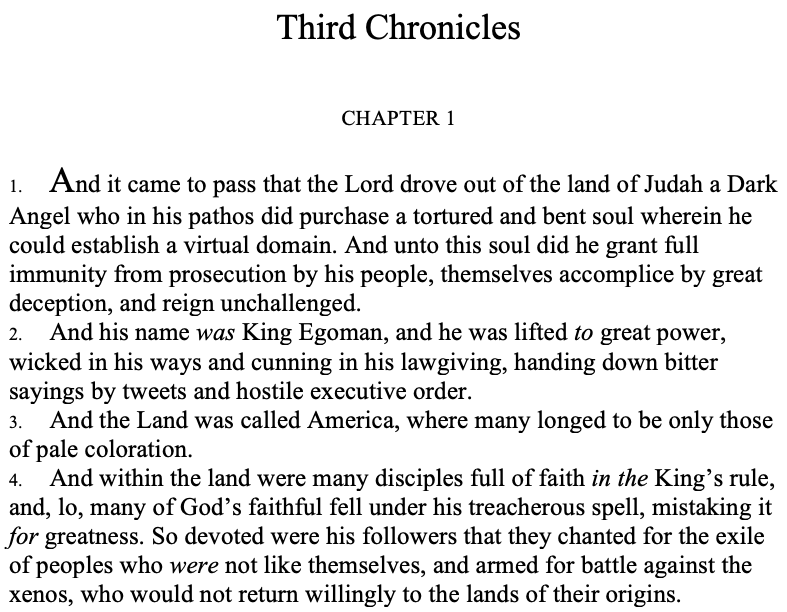
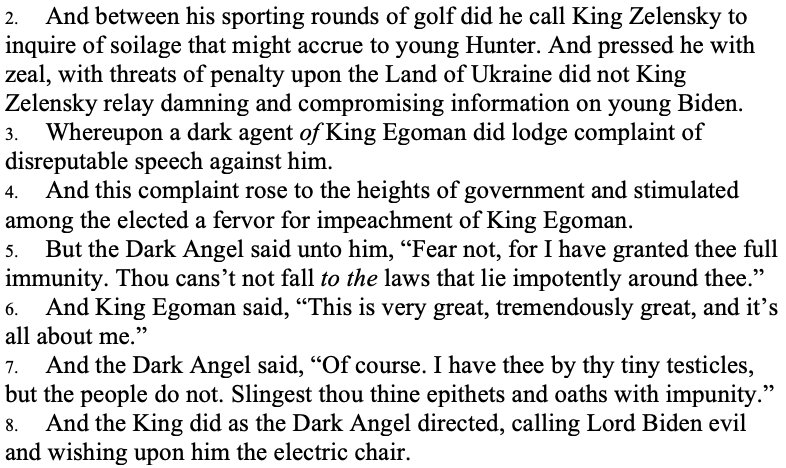
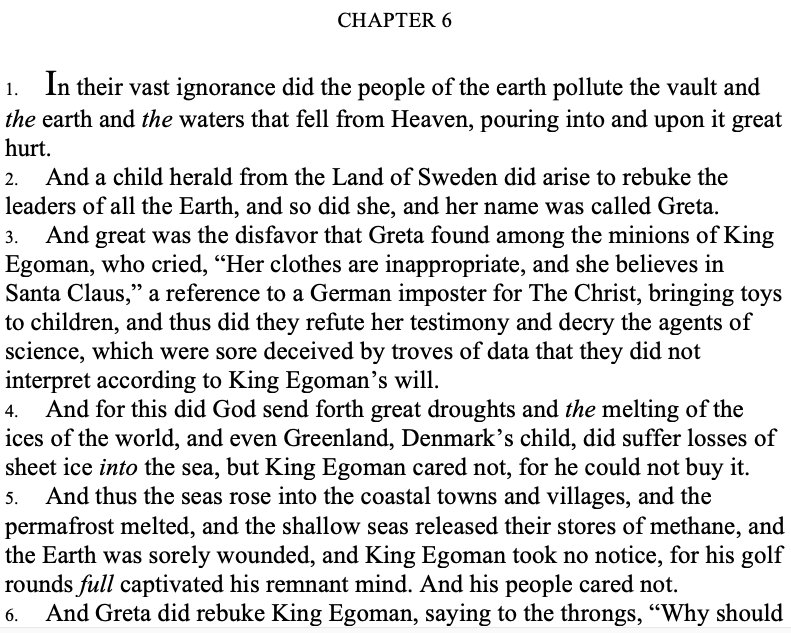
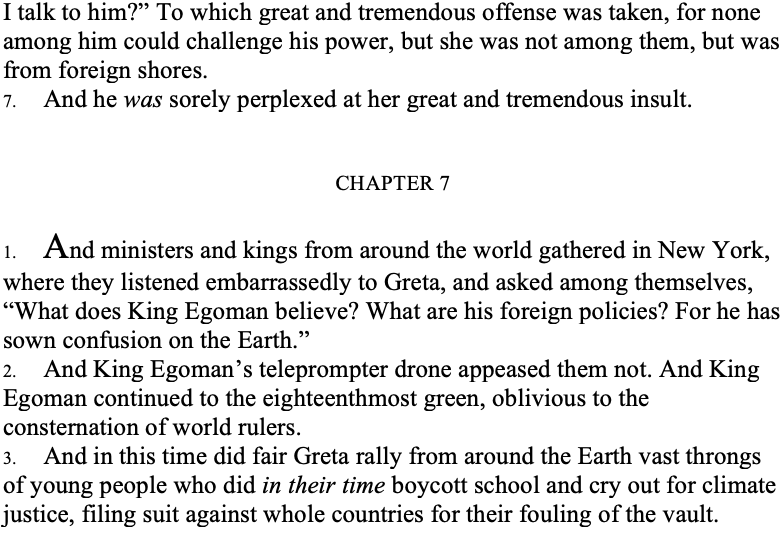
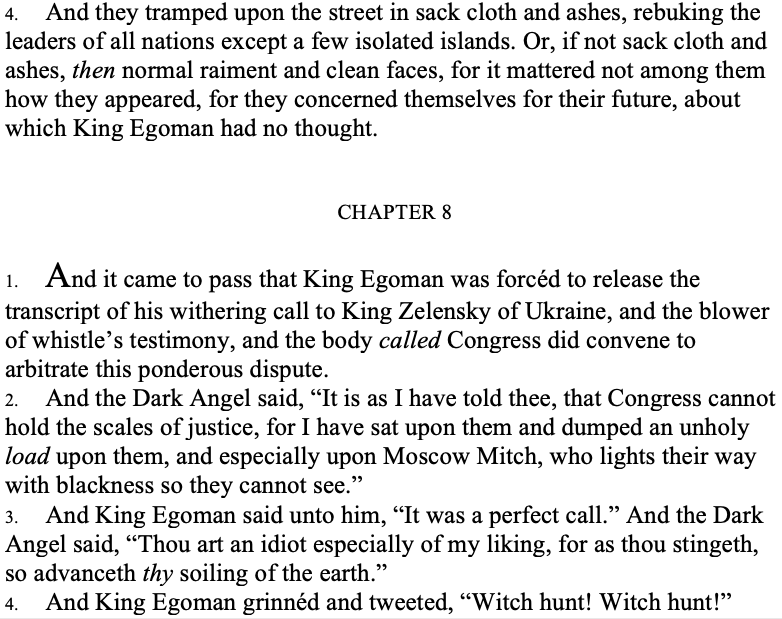
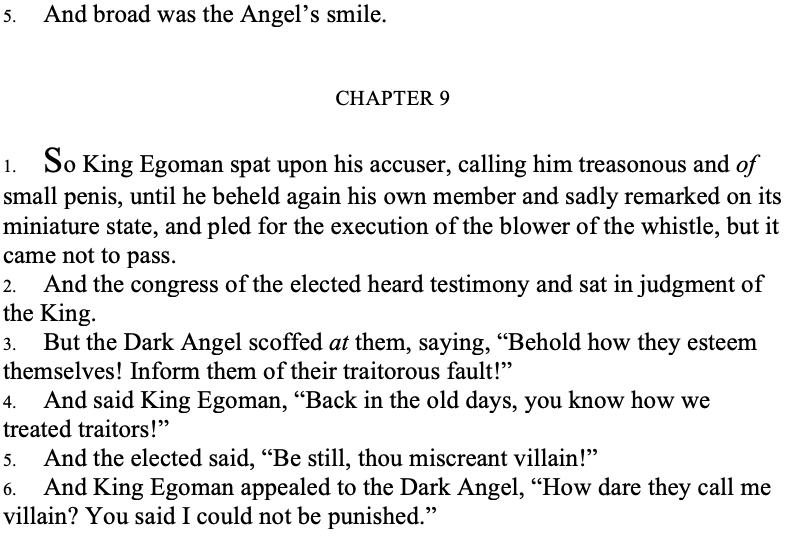
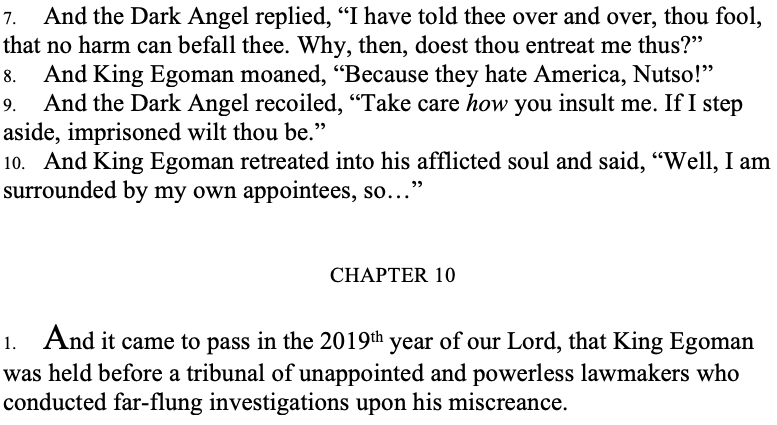
I’ll keep looking for the end of this book, maybe in another dusty pile in the attic.
Three New Poems, 2019
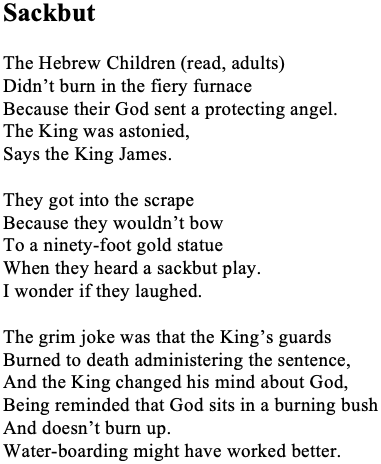
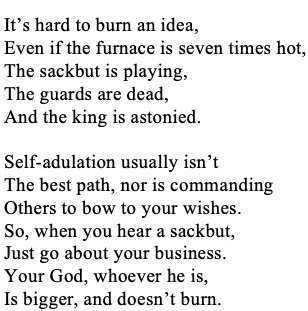
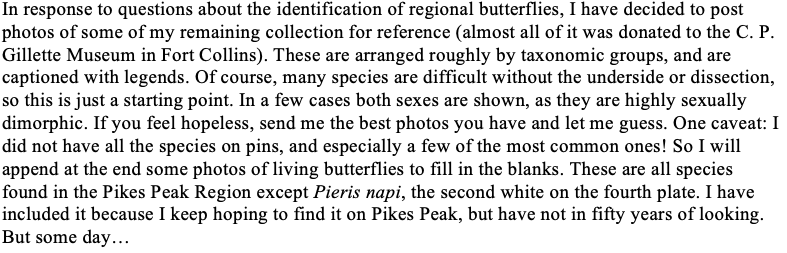
Butterflies of the Pikes Peak Region


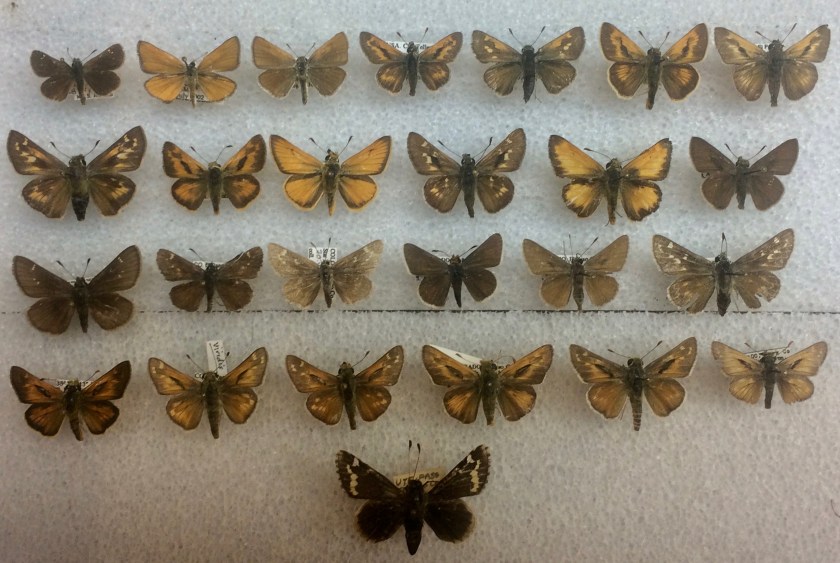



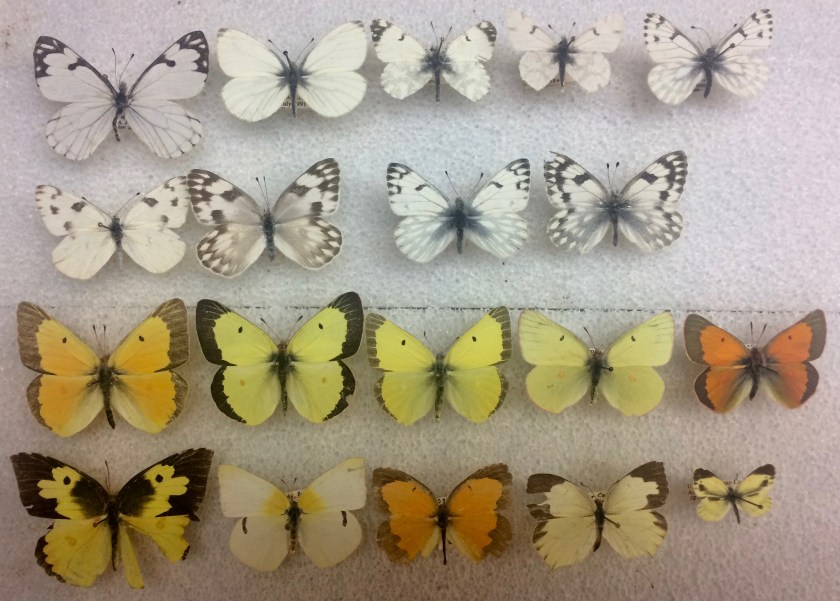

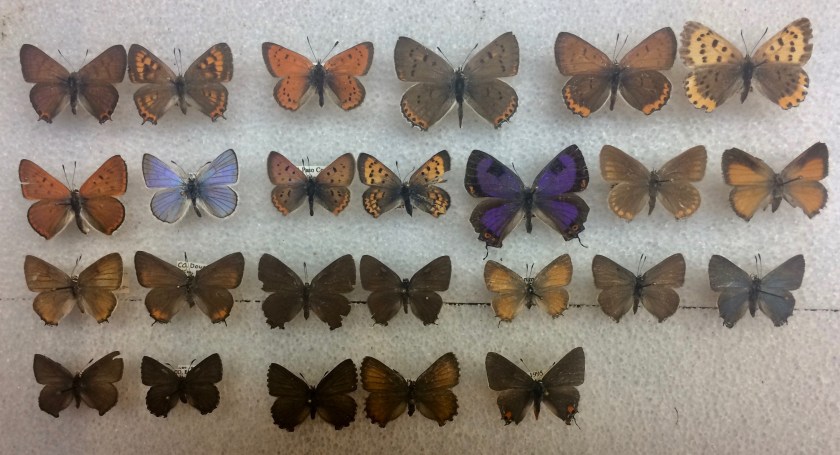

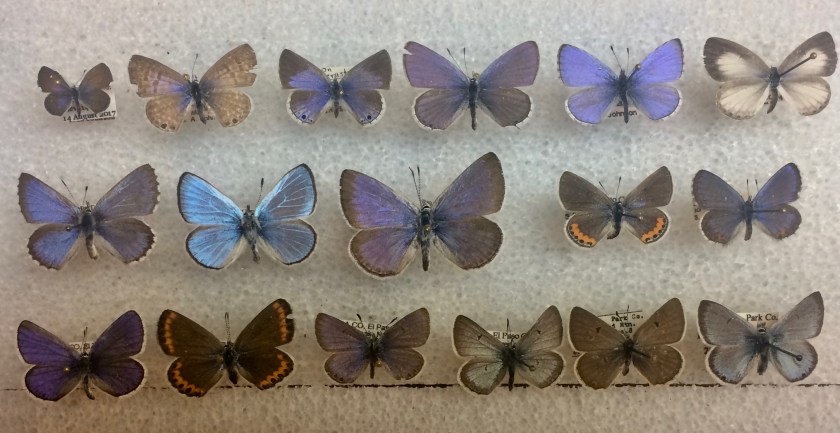

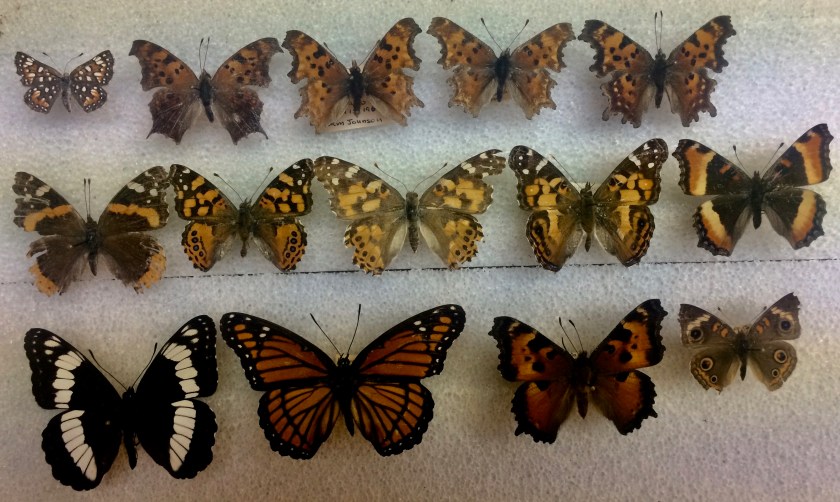

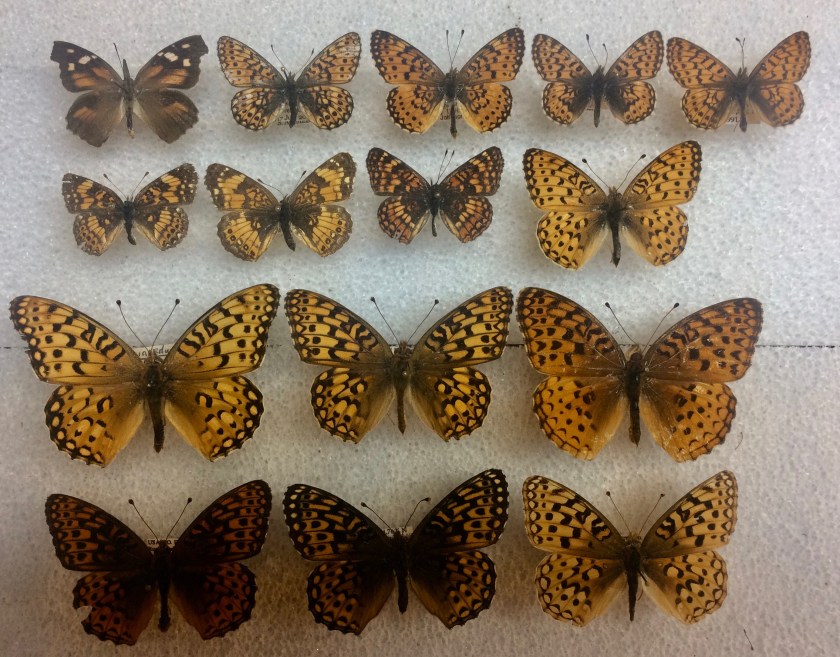

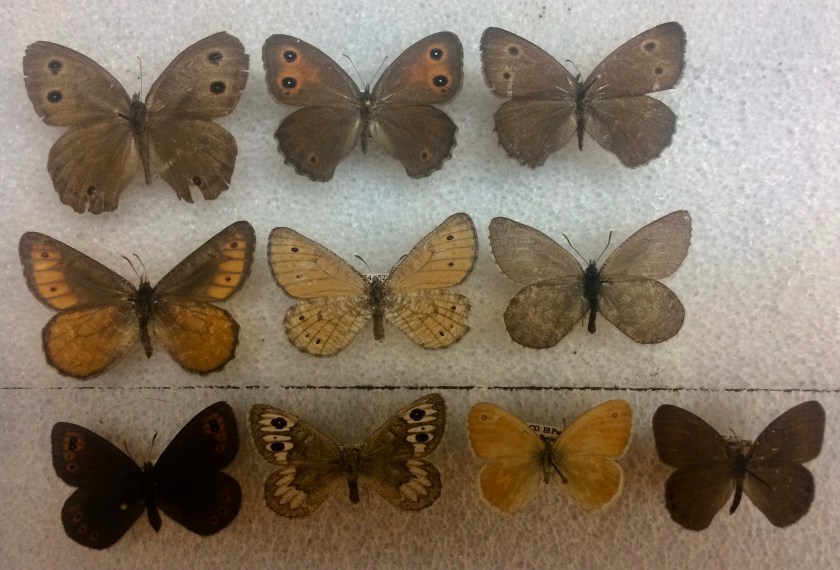

Addendum: Here are species that I didn’t have on pins.
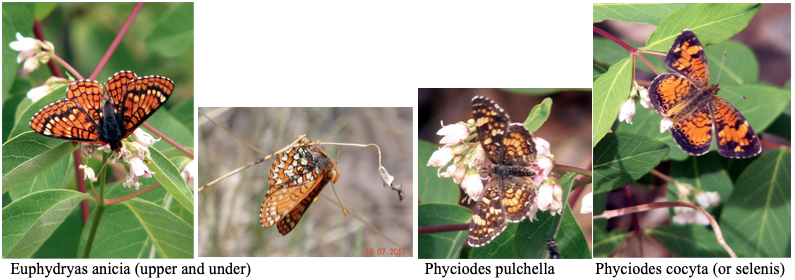
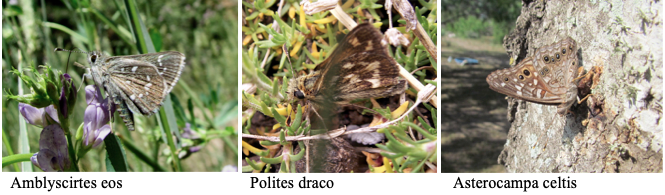
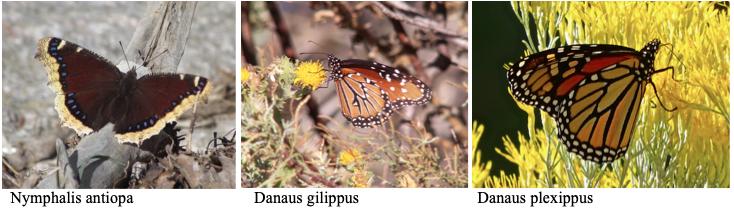


These are 164 of the 206 species that have been recorded in El Paso County. Many of the rest are rare strays, but we may see them more commonly as the climate warms. Adelpha bredowi, for example, used to be a rare stray, but it shows up almost every year now in the region. I will continue to add to this set as new photos come in from the Pikes Peak Region, with your permission, of course.
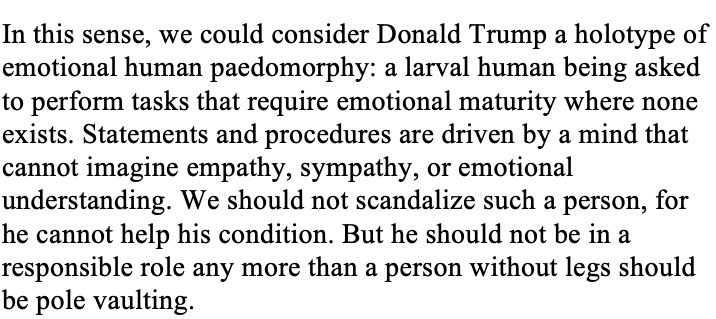
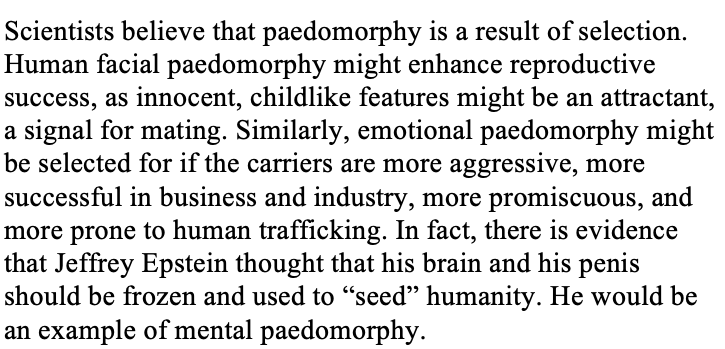
Trump and Human Paedomorphy
More on the Insect Apocalypse
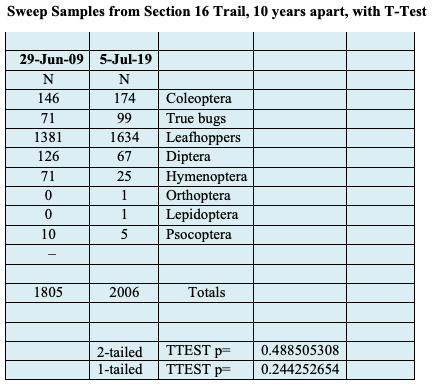
Here are the results from two sweep samples of insects taken ten years apart at exactly the same location on the Section 16 Trail west of Colorado Springs. In both cases, 100 sweeps were made. In this area, which is relatively undisturbed in terms of regular application of pesticides, herbicides, and insecticides, total numbers of insects seem very similar after ten years. T-Tests, both one-tailed and two-tailed, show p values that do not suggest significance. I chose a date one week later in 2019, as the season appears a bit behind average in terms of butterfly emergence dates.
 mountainbreakfast