


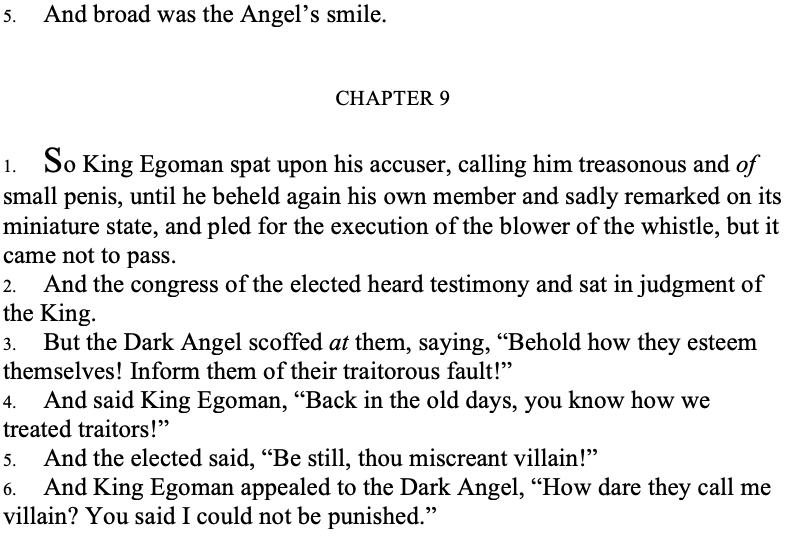
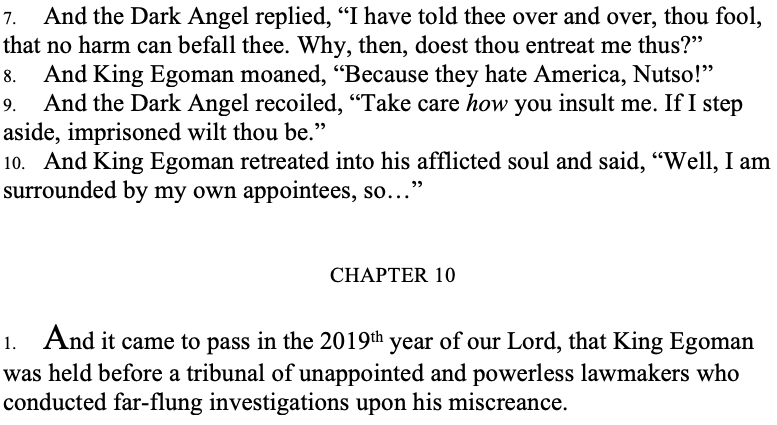
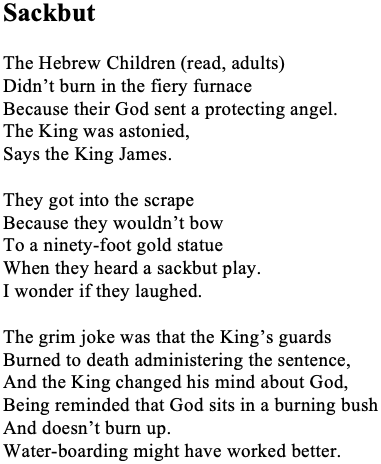
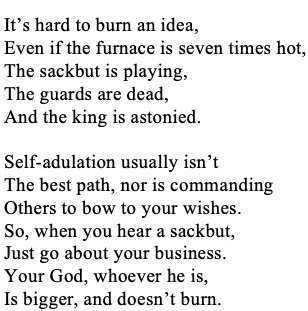
Good Heavens! Imagine my surprise in finding in a disused attic this partial manuscript of Third Chronicles, a previously unknown book of the Bible. This should follow Second Chronicles, but is anachronistic, being written, obviously, by some sort of scribe in later times. Unfortunately, it doesn’t have an ending. But check it out.



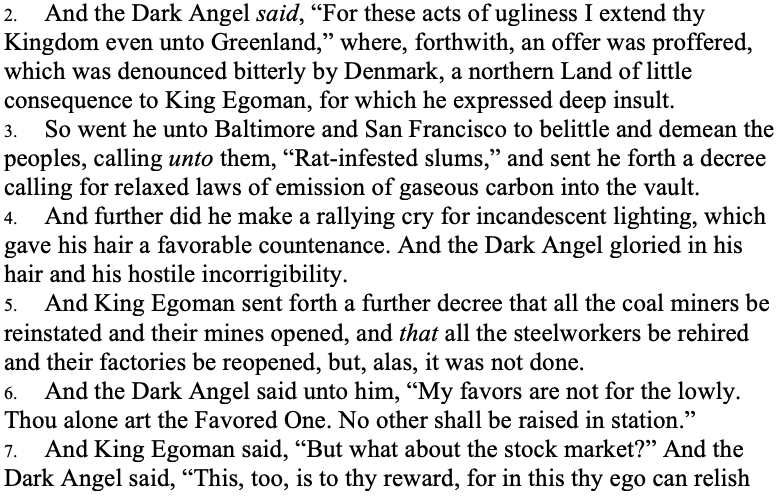


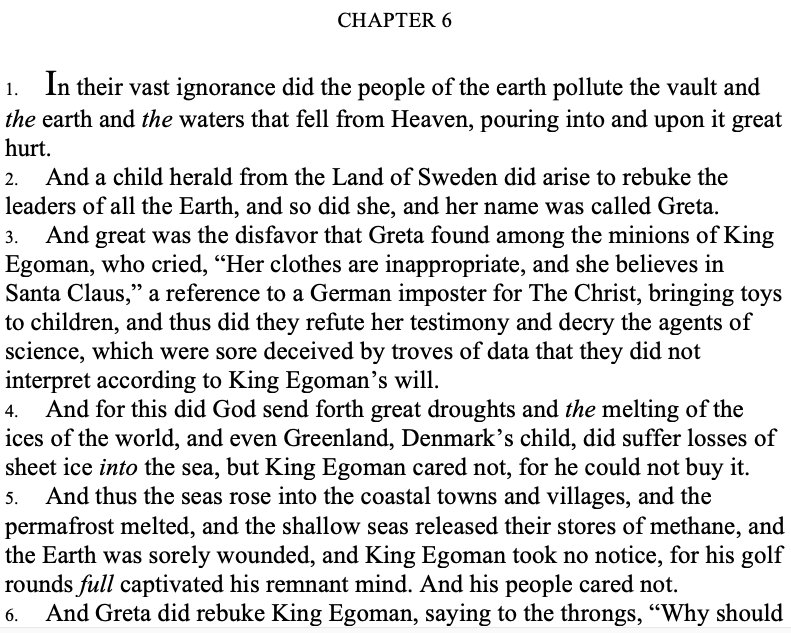

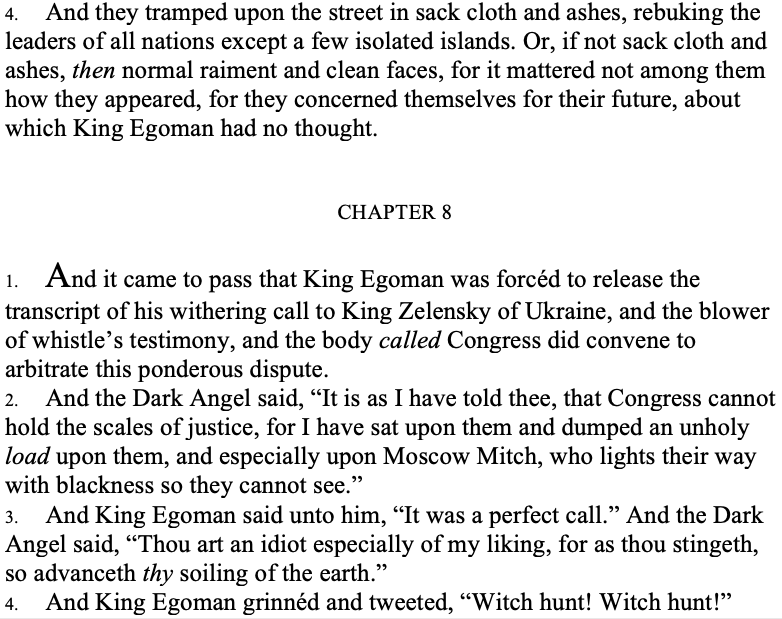
I’ll keep looking for the end of this book, maybe in another dusty pile in the attic.



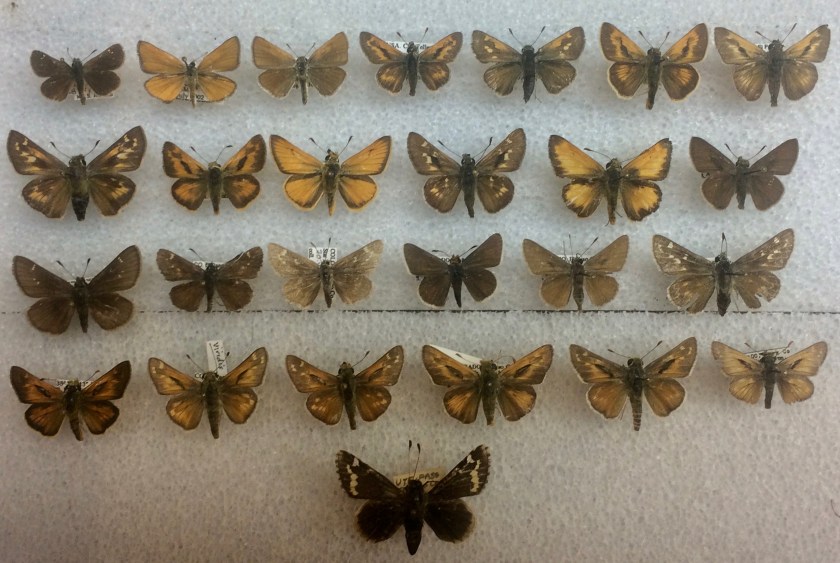



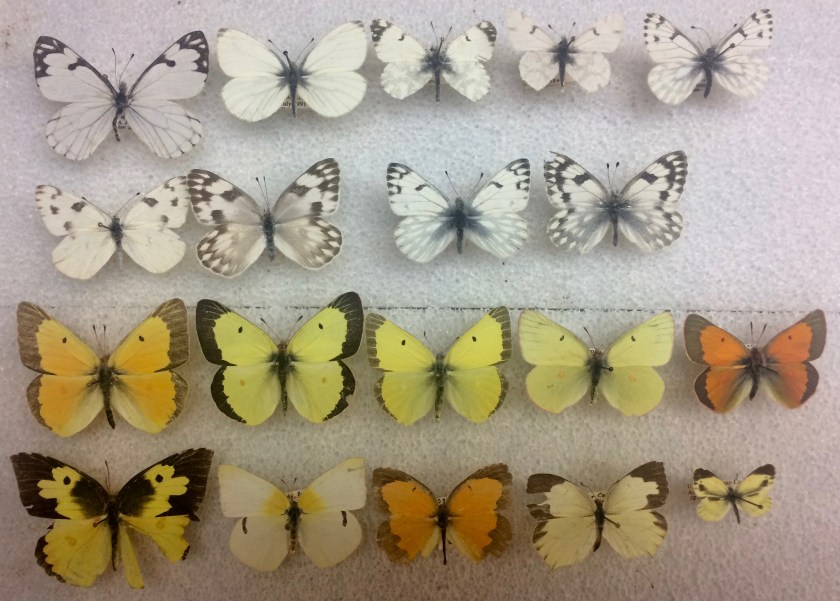

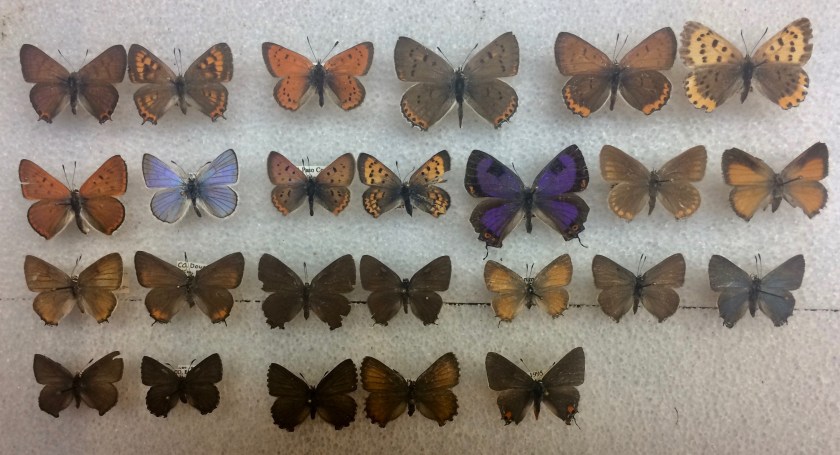

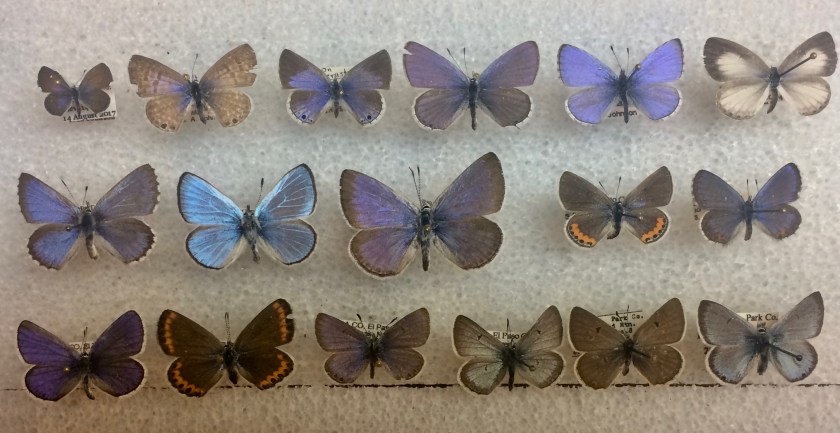

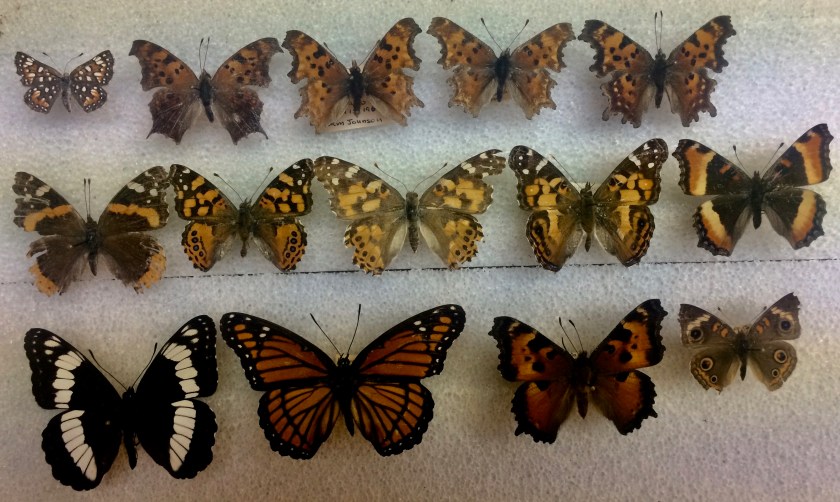

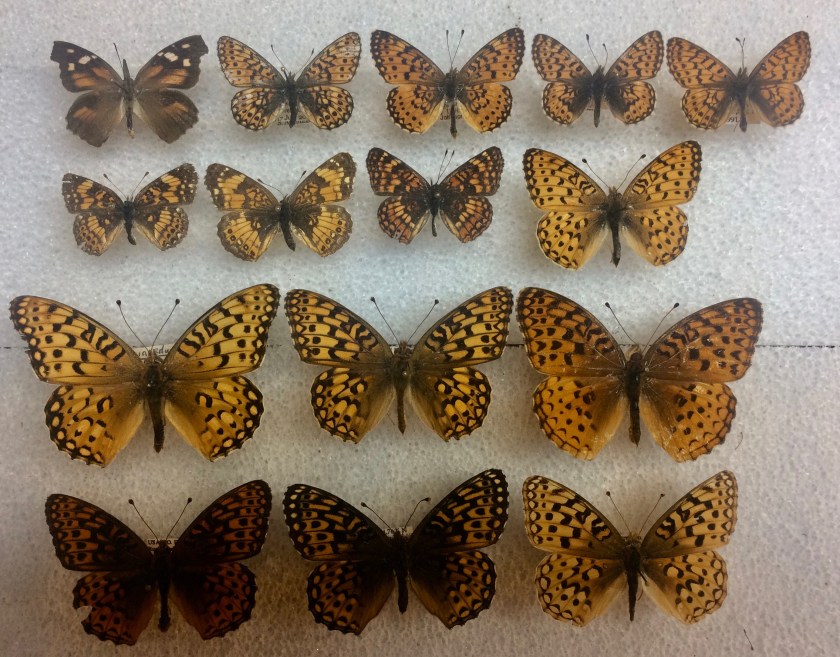

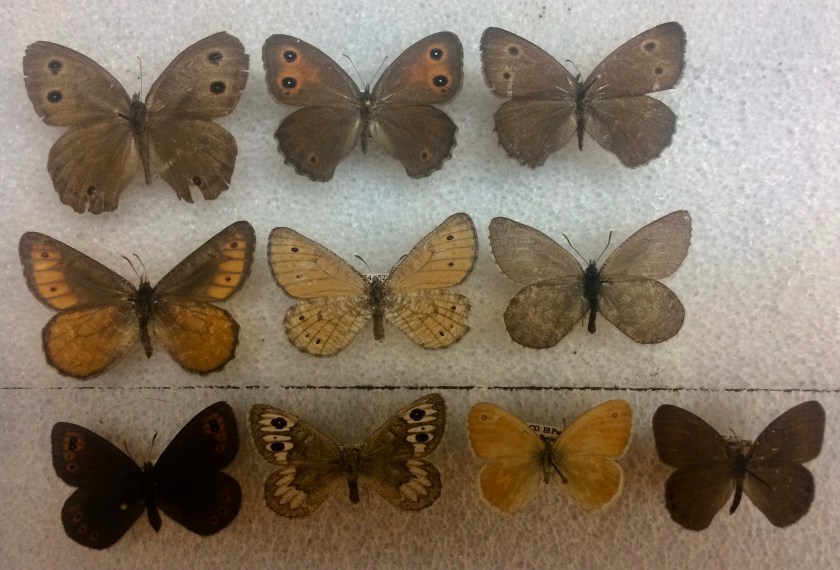

Addendum: Here are species that I didn’t have on pins.
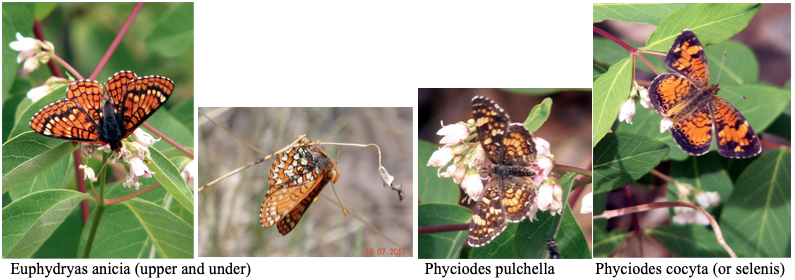
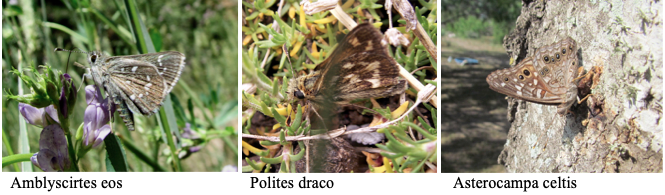
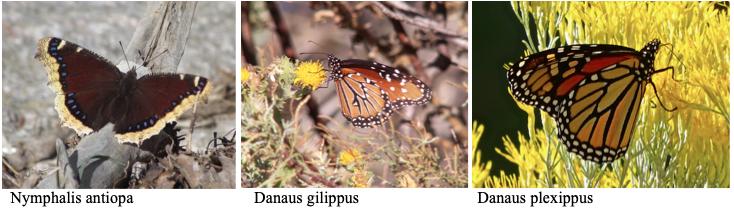


These are 164 of the 206 species that have been recorded in El Paso County. Many of the rest are rare strays, but we may see them more commonly as the climate warms. Adelpha bredowi, for example, used to be a rare stray, but it shows up almost every year now in the region. I will continue to add to this set as new photos come in from the Pikes Peak Region, with your permission, of course.
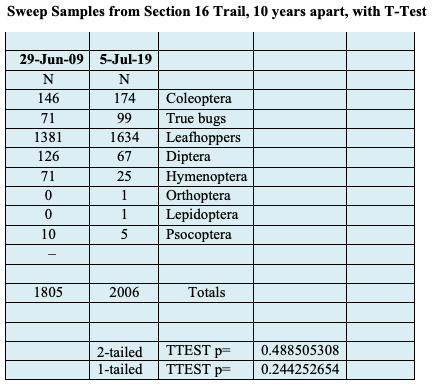
Here are the results from two sweep samples of insects taken ten years apart at exactly the same location on the Section 16 Trail west of Colorado Springs. In both cases, 100 sweeps were made. In this area, which is relatively undisturbed in terms of regular application of pesticides, herbicides, and insecticides, total numbers of insects seem very similar after ten years. T-Tests, both one-tailed and two-tailed, show p values that do not suggest significance. I chose a date one week later in 2019, as the season appears a bit behind average in terms of butterfly emergence dates.





The following moths, discovered by several workers in the region, are new to my database of species in the Pikes Peak Region. Thanks to Eric Eaton, Aaron Driscoll, Zach Vogel, and Van Truan for posting photos of some of these. The ones without initials are from my collection, mainly from the bioblitz at Corral Bluffs in September. At that site, on one night, I took ten species new to the region.




Thirty-six new species found in the area. Keep going, guys. This is fun.
 For those not tuned in to Southwest Geology, a sill is an igneous intrusive that has inserted itself parallel to the surrounding strata (a dike runs at angles to the strata). Palisade Sill is a huge intrusive in northern New Mexico between Raton and Taos on Highway 64. You won’t miss it when you head west into the canyon out of Cimarron. The sill is made of Monzonite, which is on the continuum between syenite (very light in color) and diorite (medium in color) and has plagioclase and orthoclase feldspars in approximately equal amounts. In short, it is a lighter than granite, but generally similar.
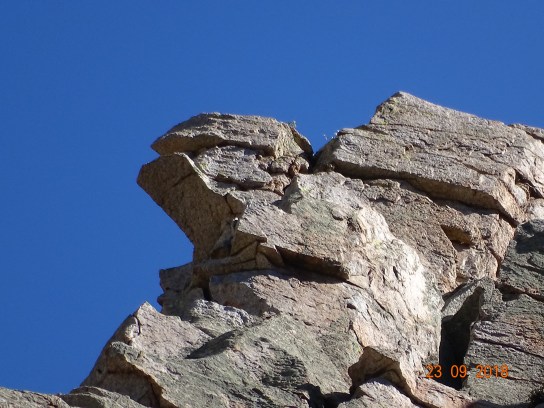
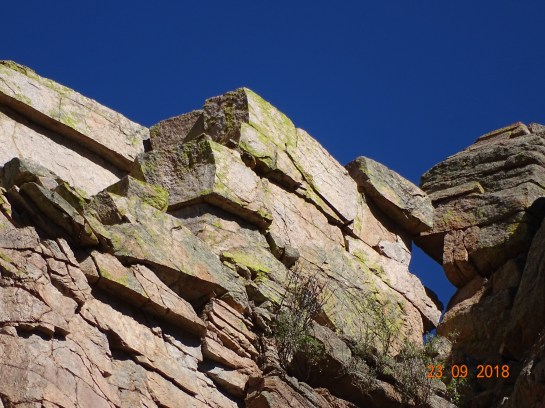
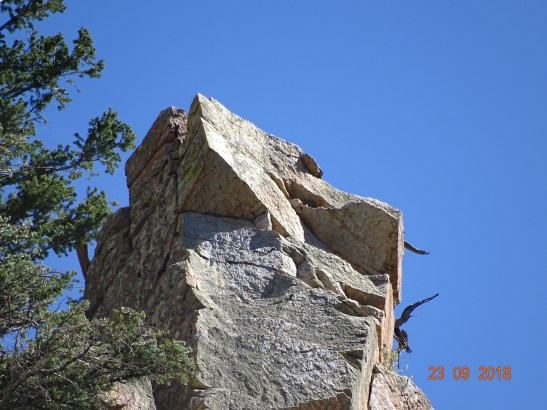
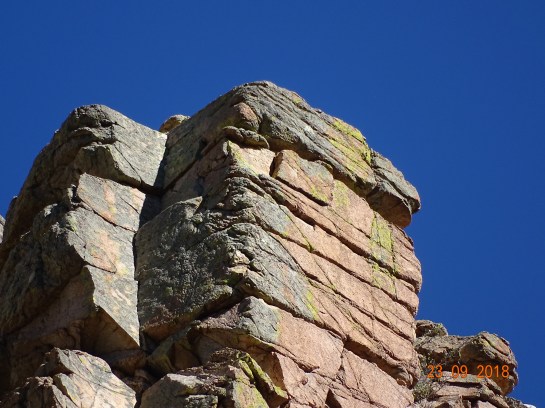
My favorite aspect of this imposing formation is that the joint systems are at nearly right angles, which leaves enormous faces and a ragged, blocky crest at the skyline. And, of course, lots of rubble along the stream below. Here are some images of the crestline.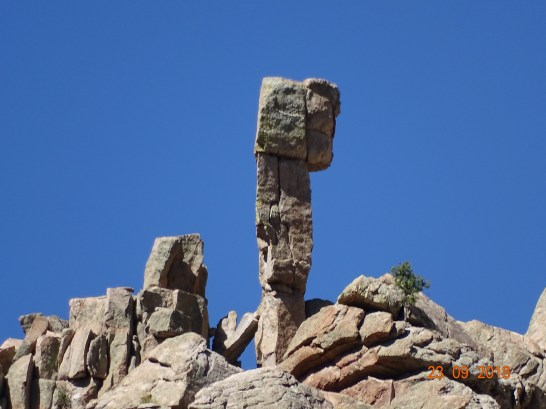








After 33 years of collecting moths in the Pikes Peak Region, I finally have begun to let it go to the C. P. Gillette Museum in Fort Collins at Colorado State University. The first installment, 36 drawers of mostly Noctuidae (the owlet moths) were shrink-wrapped and dispatched on August 29. One drawer is shown here.
And here is the first load.
And in their new home.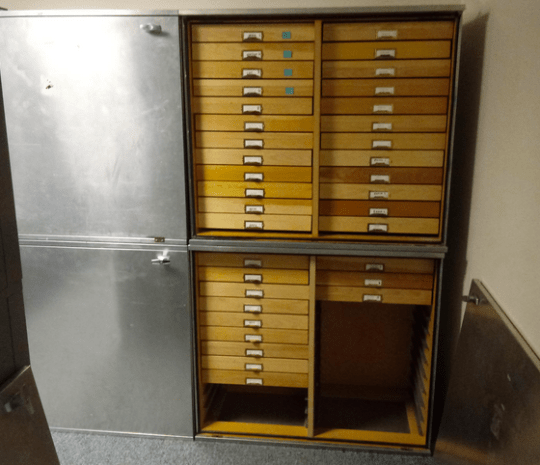
Many more to go in the next few weeks. Sad to see them go, but I know that they’re in a better place. (!)



 mountainbreakfast