
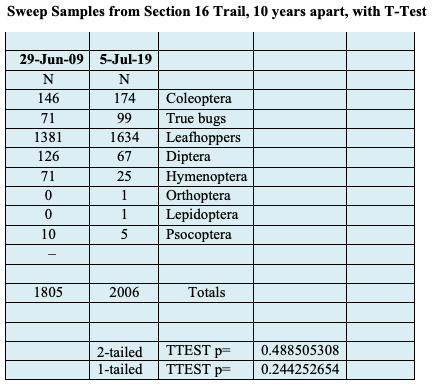
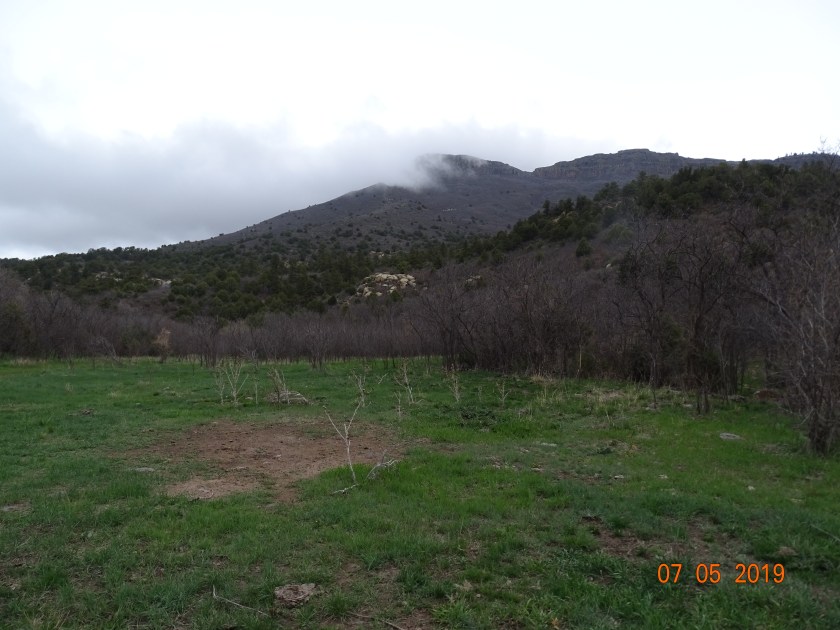
Here are the results from two sweep samples of insects taken ten years apart at exactly the same location on the Section 16 Trail west of Colorado Springs. In both cases, 100 sweeps were made. In this area, which is relatively undisturbed in terms of regular application of pesticides, herbicides, and insecticides, total numbers of insects seem very similar after ten years. T-Tests, both one-tailed and two-tailed, show p values that do not suggest significance. I chose a date one week later in 2019, as the season appears a bit behind average in terms of butterfly emergence dates.








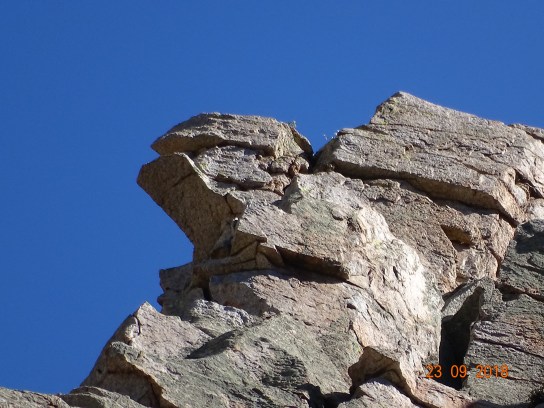
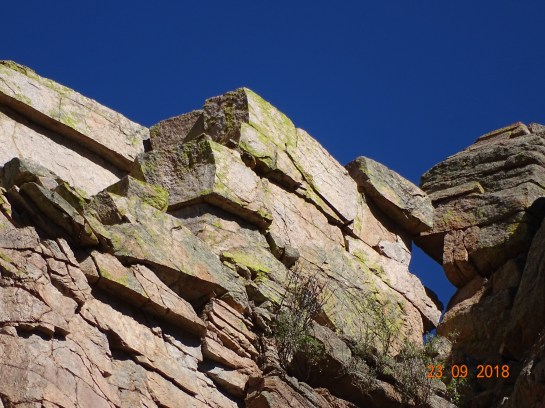
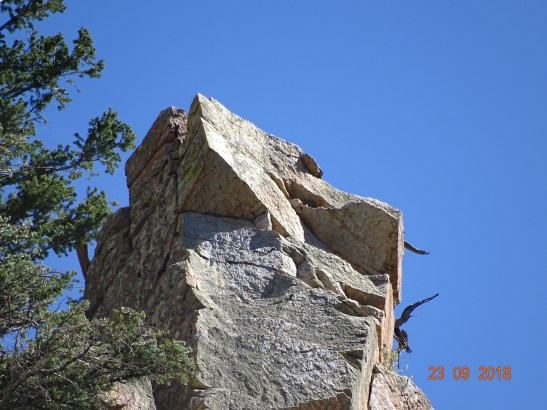
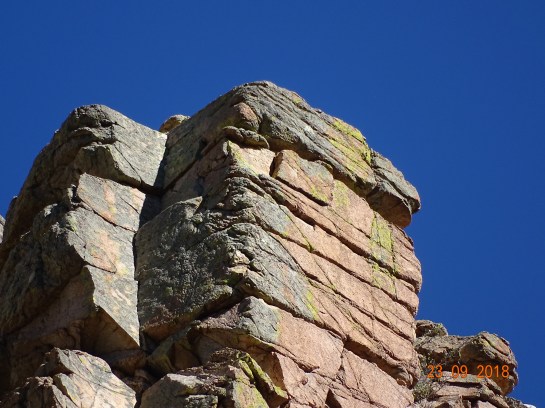
 For those not tuned in to Southwest Geology, a sill is an igneous intrusive that has inserted itself parallel to the surrounding strata (a dike runs at angles to the strata). Palisade Sill is a huge intrusive in northern New Mexico between Raton and Taos on Highway 64. You won’t miss it when you head west into the canyon out of Cimarron. The sill is made of Monzonite, which is on the continuum between syenite (very light in color) and diorite (medium in color) and has plagioclase and orthoclase feldspars in approximately equal amounts. In short, it is a lighter than granite, but generally similar.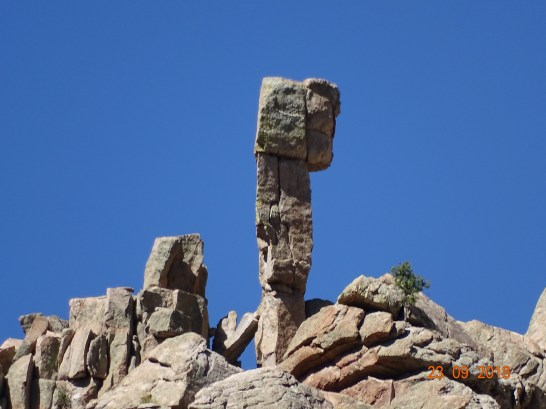

















 mountainbreakfast