Here are a few nursery rhymes as I tell them.
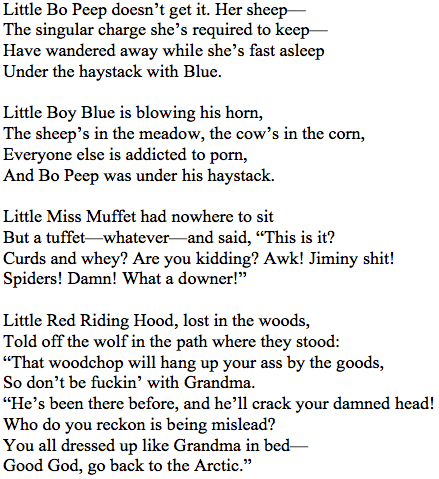


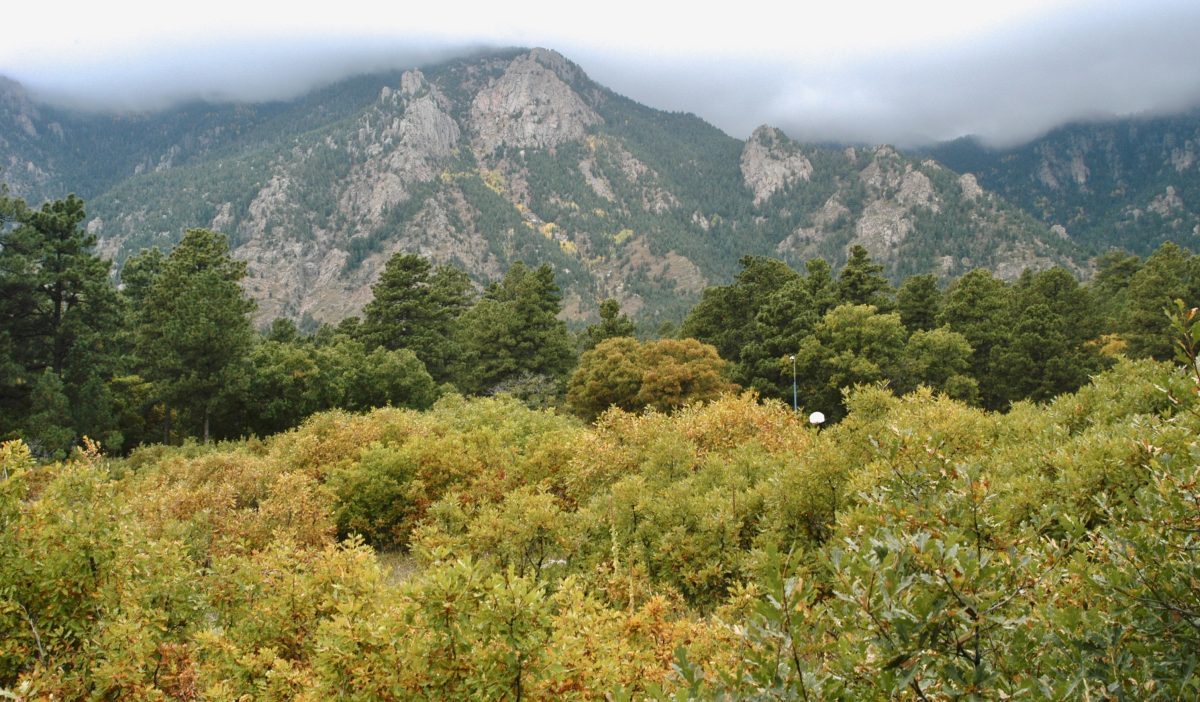
Here are a few nursery rhymes as I tell them.
One of my favorites: The Caracara, which means “Faceface” in Spanish. Doesn’t it? Well named!
And stilts. How about those legs!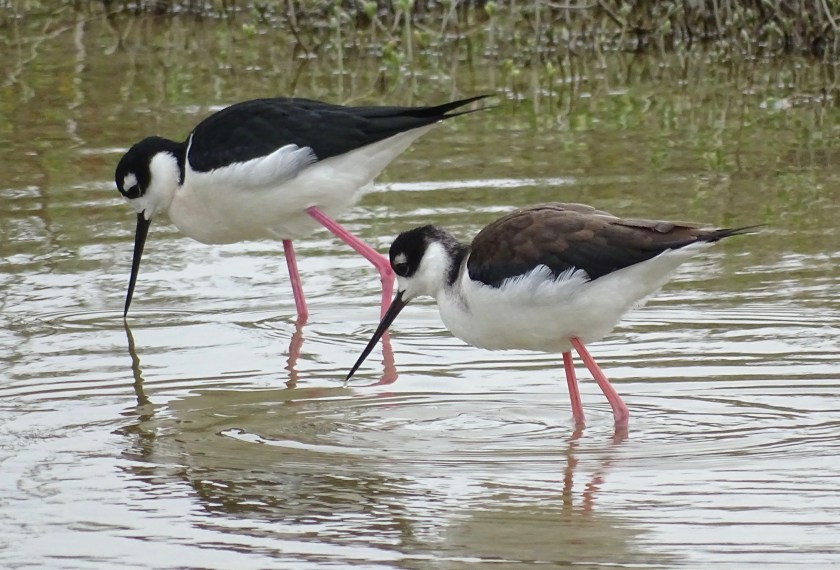
Green jays are common along the Nueces River.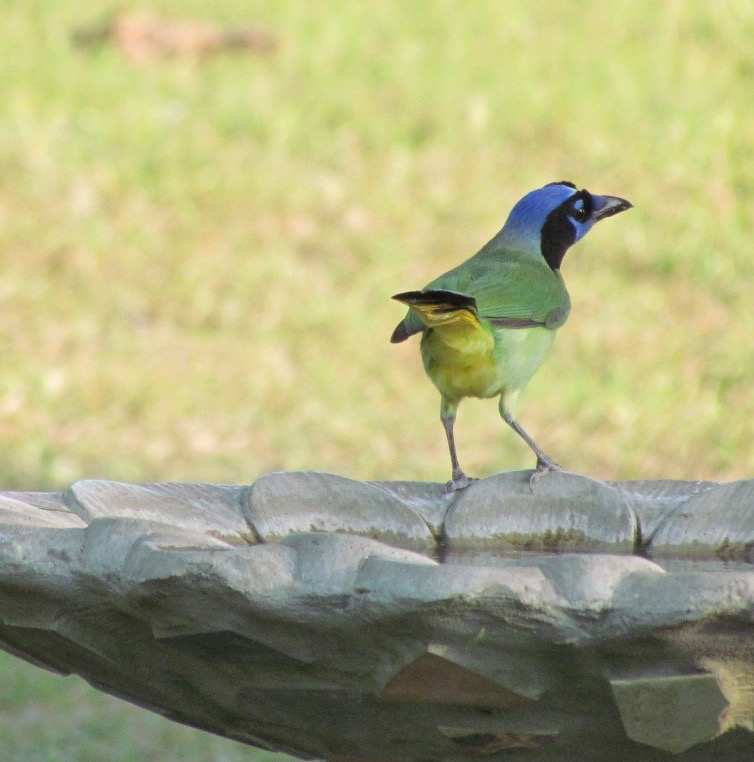
And scissor-tailed flycatchers. Wow!
Black-bellied plovers are in the Gulf bays.
Little is known of the predators of blister beetles. But we can speculate…

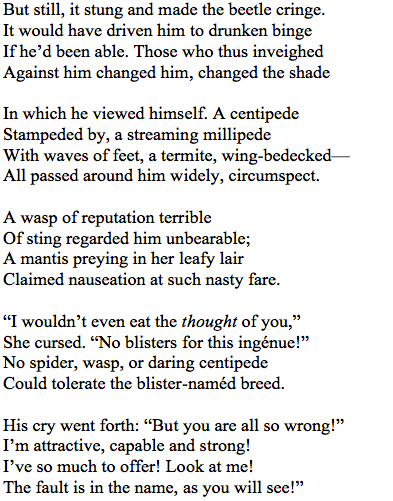

People don’t usually appreciate how hard it is to build a good trail. Often, the process begins by removing fallen trees. This is particularly taxing if they weigh over ten tons, which many of them do. I strained my knee on this one.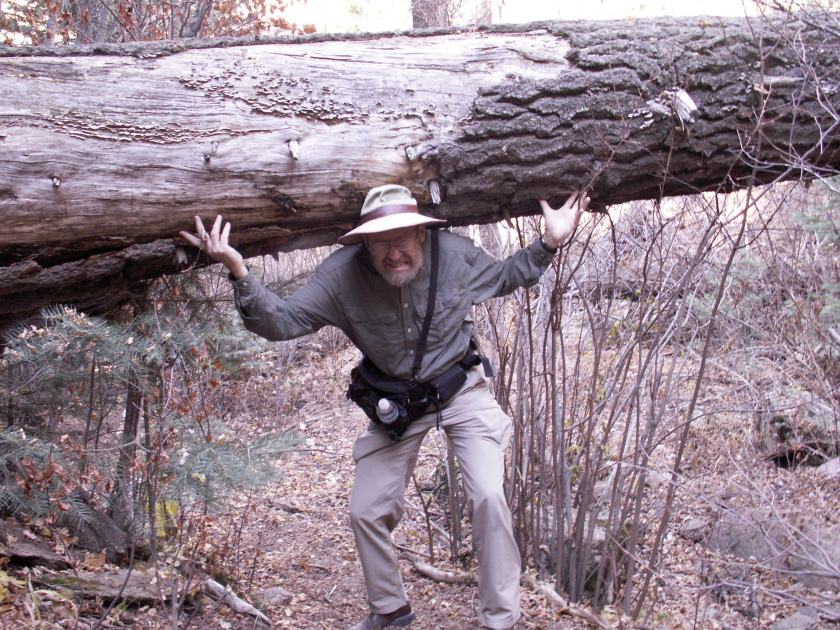
But I was able to stand this one back up, luckily.
And I was able to push these apart so they wouldn’t fall. This is the best strategy, but you might have to hold them for a few years while they adjust.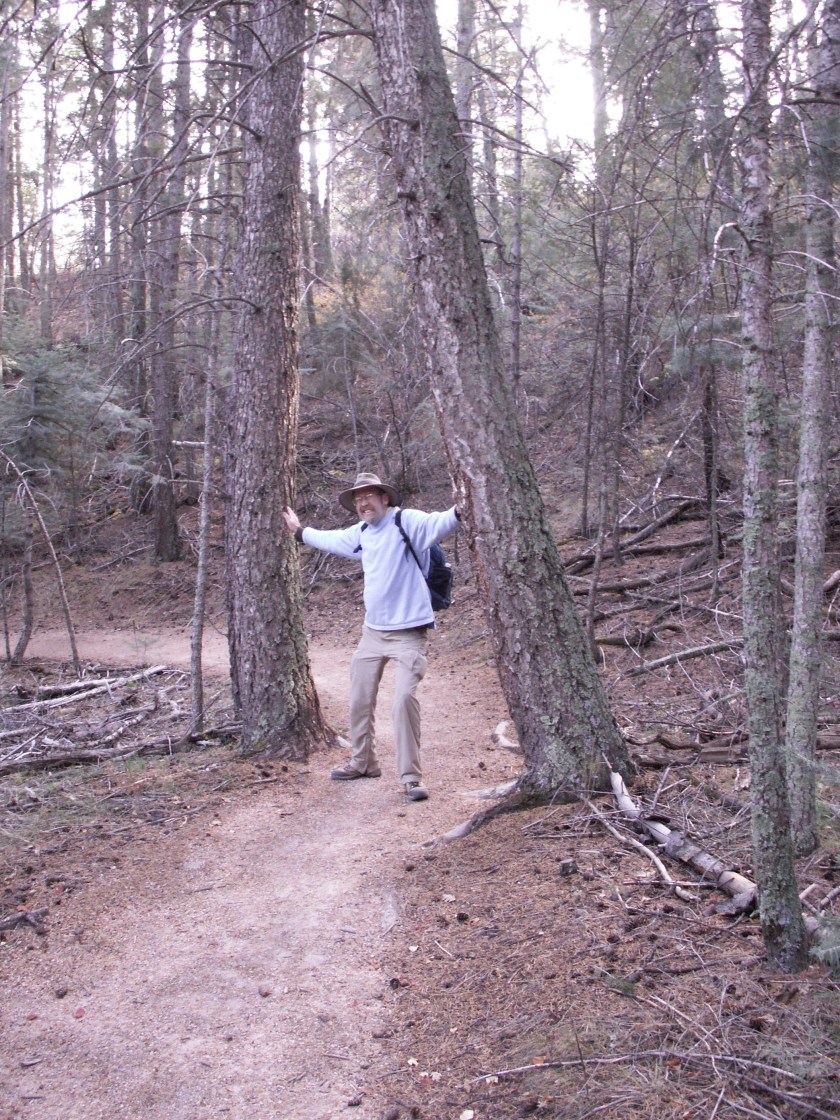
Sometimes you can just bend them down and out of the way.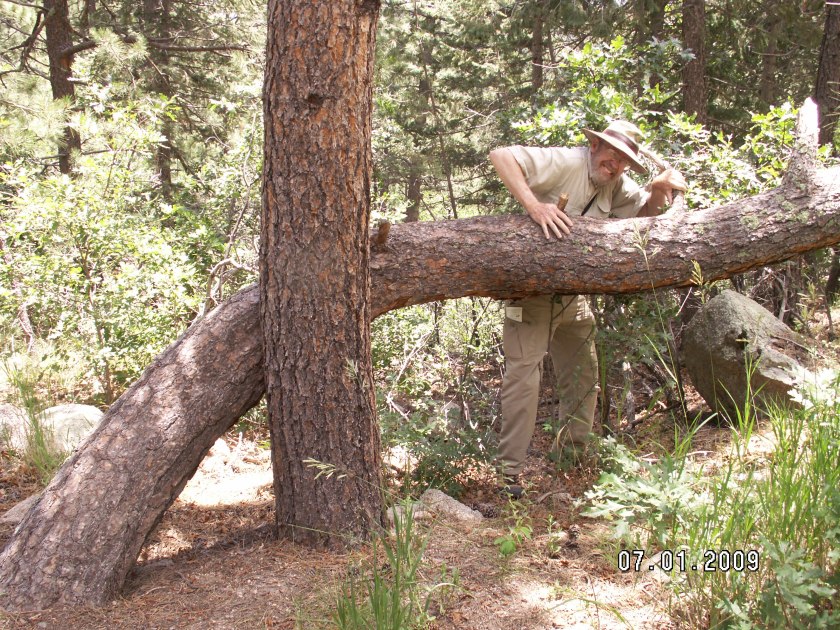
Some people cut them and push the halves to either side of the trail, like I’m doing here.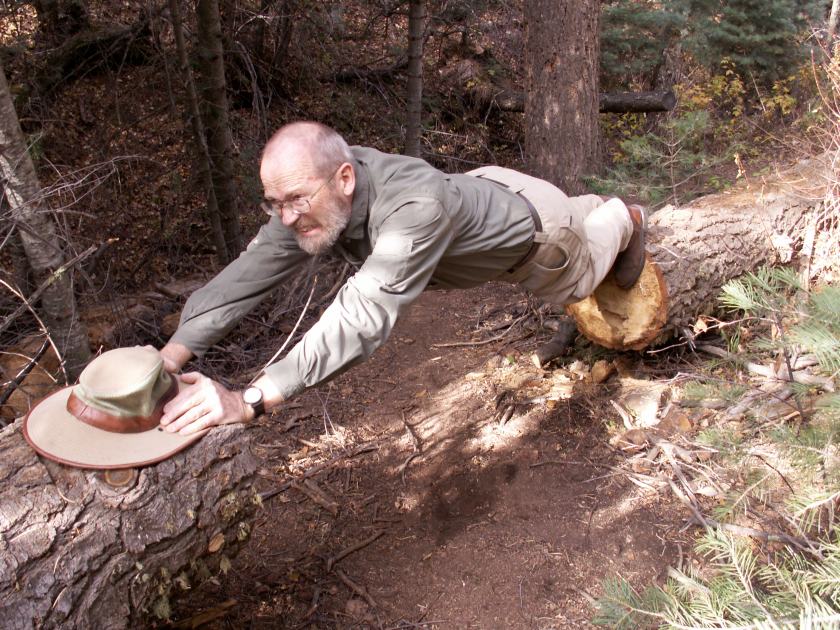
Other times, a flying kick move is necessary to make the logs move.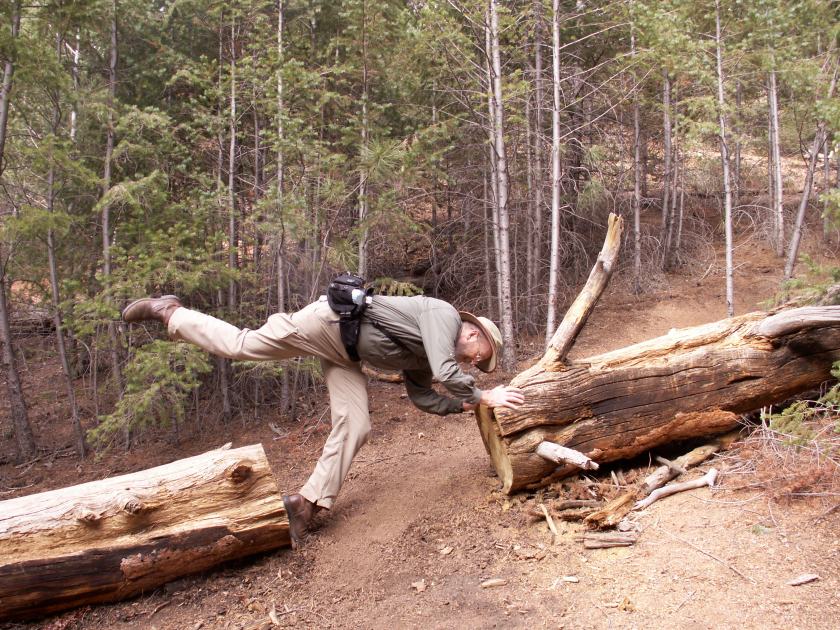
And this is to say nothing of the rocks. OMG, some of them require enormous strength to move off the trail. Luckily, I’m up to it, although I shook the ground with this one, which blurred the photograph slightly. Sorry.
I had to pull and slide this one across another rock. Very hard. Tremendously hard.
And on rare occasions, you have to use a karate chop. Can you see my black belt?
I once gave this lecture at the high school where I taught for many years, during Morning Meeting on Monday. I ran the projector from the back of the auditorium, speaking into a mike, and I could hear the freshmen saying, “Oh, give me a break. Who is he kidding? He couldn’t move those things!” So I added to my monologue. “Some people doubt my ability to do these amazing things, but here it is, before your very eyes.” Thanks to Katie for taking these photos while offering encouragement while I worked.
Looking back, this was one of the best summers of my life. To begin with, it was the earliest spring in my fifty years of record keeping, with emergent butterflies flying in February, and a strong flight through March. Then the huge May freeze!
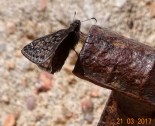
Then, red tailed hawks nesting in the back yard. I never imagined that.
Then, other birds, both on the mountain and in the garden.

And mothing! I had the pleasure of collecting moths in several areas, some new to me: Blodgett Peak Open Space, Ute Valley Park, Bluestem Prairie Open Space, Rock Creek Canyon, and Baculite Mesa. Keeping track of all those moths isn’t easy. I added 37 new records for the Pikes Peak Region, bringing my current total to 2073 species.

And the garden OMG, what a year for the flowers!

And the July rains!
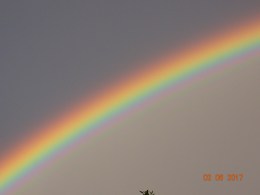

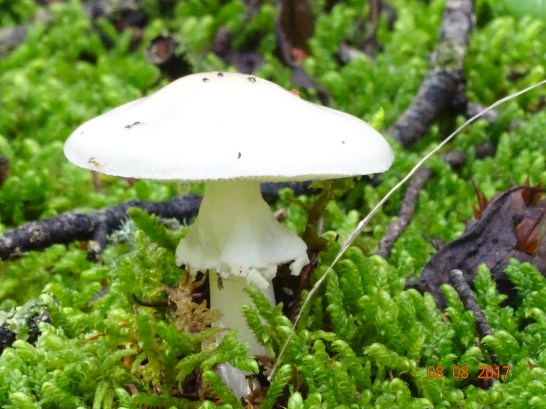
I heard that it was the wettest July on record. So, up came the mushrooms. We found about 40 species on one hike in Bear Creek.
And July on Shelf Road, the amazing rabbit bot fly!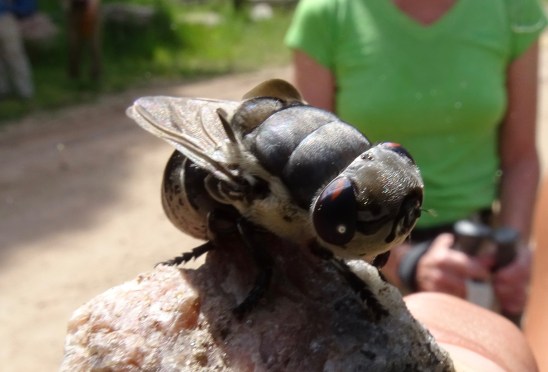
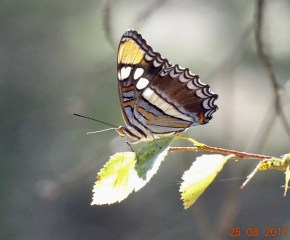
And rare butterflies. The third record of Nymphalis californica and the fourth record of Adelpha eulalia in El Paso County.

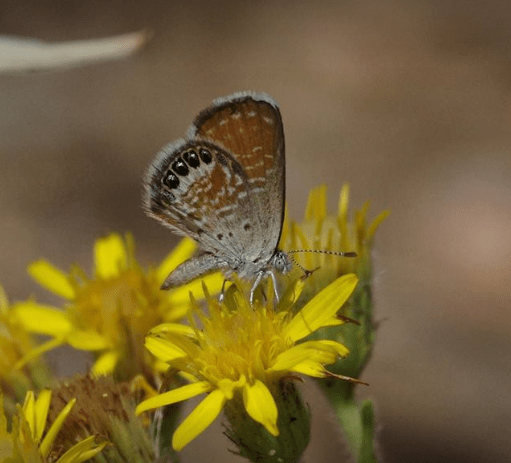
Plus many new records of the butterflies like the pigmy blue, Brephidium exile (photo by Tim Leppek), which reminds me of Eric Eaton and all the new friends I found on the Arthropods Colorado Facebook Group. That’s been a load of fun. (What will we do in the winter?)
So it was an amazing summer. I already have seasonal affective disorder from the 7:30 twilight. I can’t wait until spring.
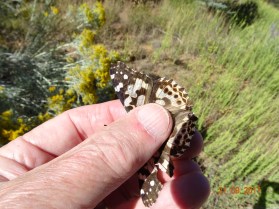
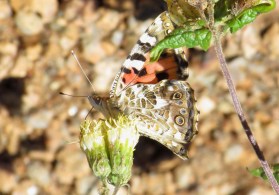
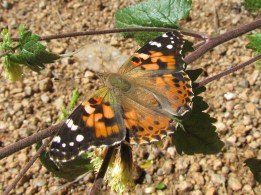
Albinism and leucism are rare in Lepidoptera. If you google “Albinism and Leucism in Lepidoptera” you’ll find thousands of photos of mammals, birds, and reptiles, but only a scattering of leps, some of which are white species, not leucistics. The obvious exception is a white luna moth, which is normally green. But the photo is labeled “Albino,” while the dark ocelli stand out on all four wings. It is a leucistic. Leucism is caused by recessive alleles that don’t produce the normal pigments. Albinism is an extreme case of this in which all of the alleles are dysfunctional.
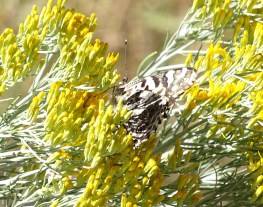
I found a Vanessa cardui that is partially leucistic, feeding with hundreds of normal morphs on Chrysothamnus bushes. I show it here with a normal form below.
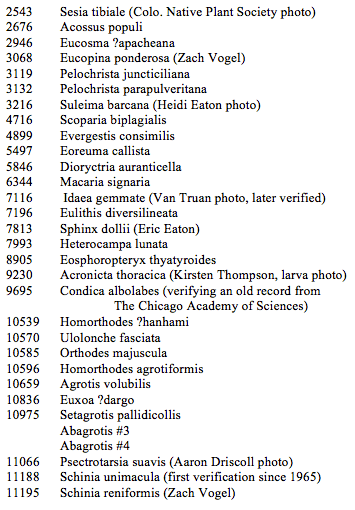
This summer I was able to set blacklight traps in several localities. In addition, several other enthusiasts in the region posted photos of moths from bioblitzes or from National Moth Week blacklighting. This resulted in 34 species new to the Pikes Peak Region by my count. This brings my total reference collection to 2073 species. The projected total species is close to 3500, so it’s not surprising that we’d turn up quite a few new ones. Records new to this region are listed here, with Hodges numbers and sources, which, if not named, are my own records this summer.
This morning in the flower garden I found a Siricid, a horntail wasp, a large male, crawling slowly up and down the raceme of a flowering mint. Soon I discovered, beneath him, a second male of the same species, and they seemed to be in some sort of competitive ritual. But, whoa! The surprise is that the smaller male hasn’t moved much because…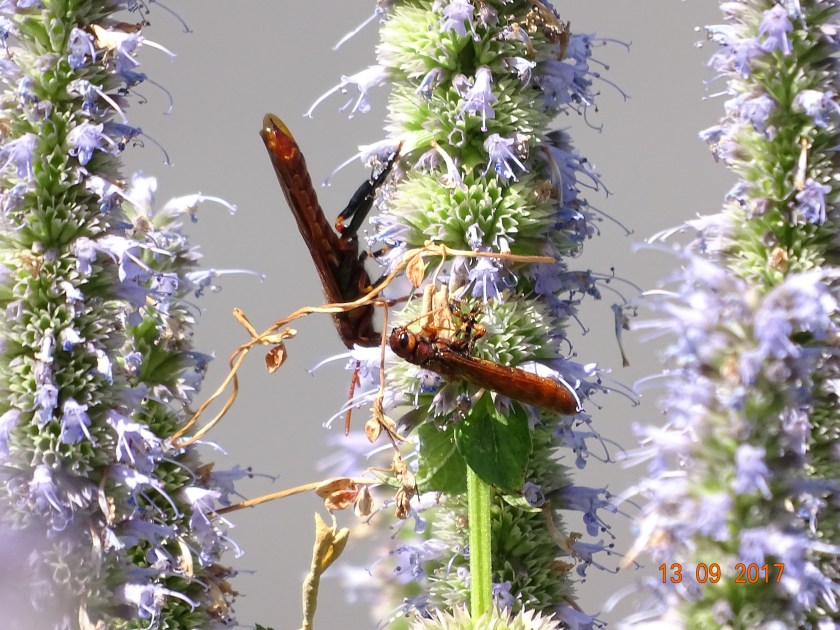

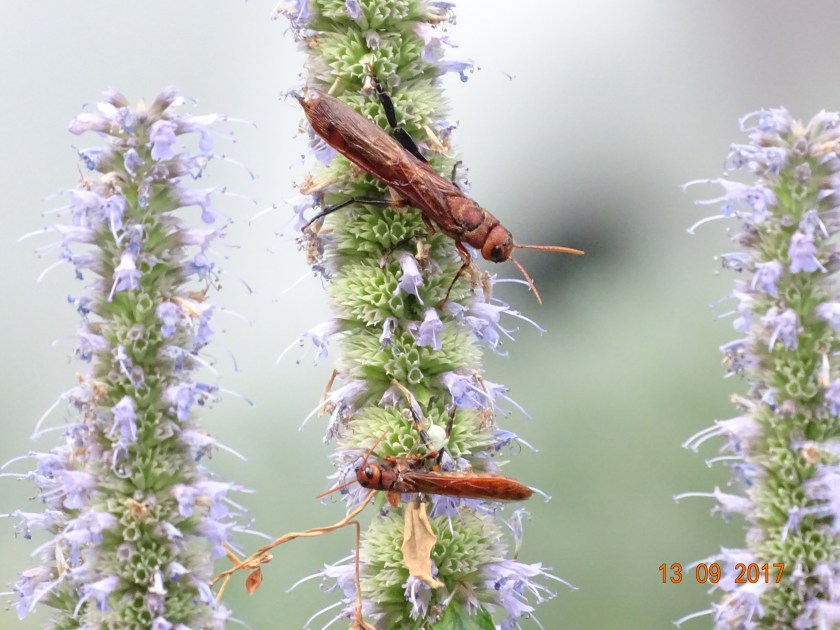
Did you see it? After watching them for about three hours, during which time the larger one continued wandering up and down the stalk, I noticed that the smaller one was moving only very slightly. I didn’t realize it until I enlarged a photo afterwards. Then I went back for a better look. Yikes! A crab spider!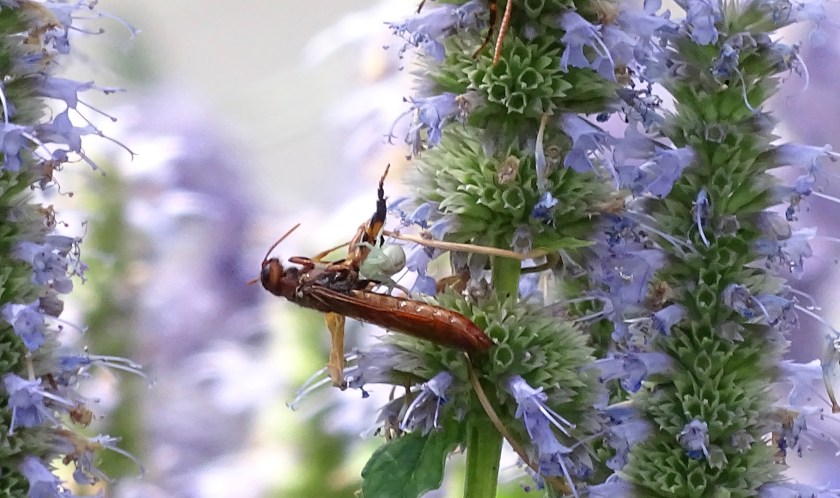

Crab spiders are generalist predators that roughly match their substrate, so they qualify as “aggressive mimics.” The phenomenon is also known as “mimesis” when the model is inanimate, or at least not another similar species. Background mimics or cryptic species are mimetics.
This late in the season (September 2) many animals have lived their lives and have left offspring to hibernate through the winter. In terms of insects, little is flying now compared with mid-July. But here are a mating pair of Mountain Blues (Agriades rustica) and a third, an onlooker. They should have gotten a room. Yarrow blossoms are pretty exposed.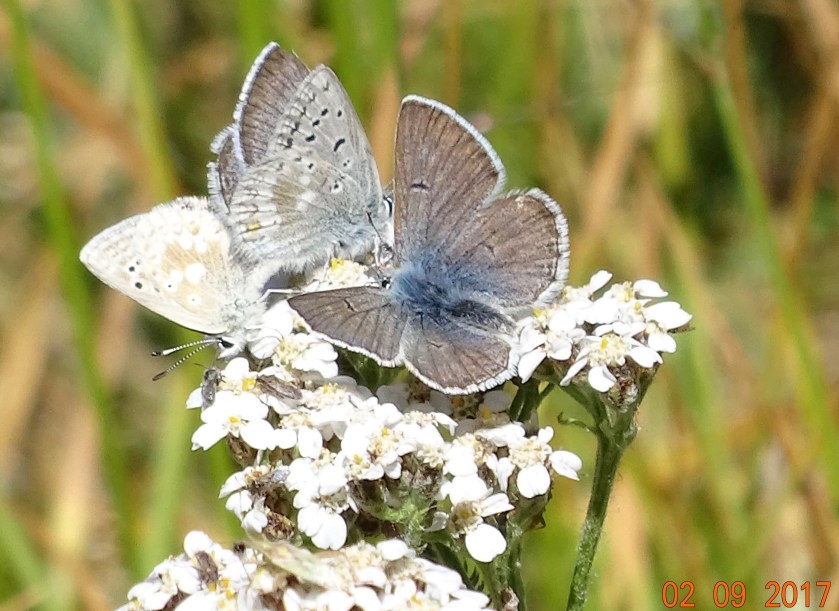
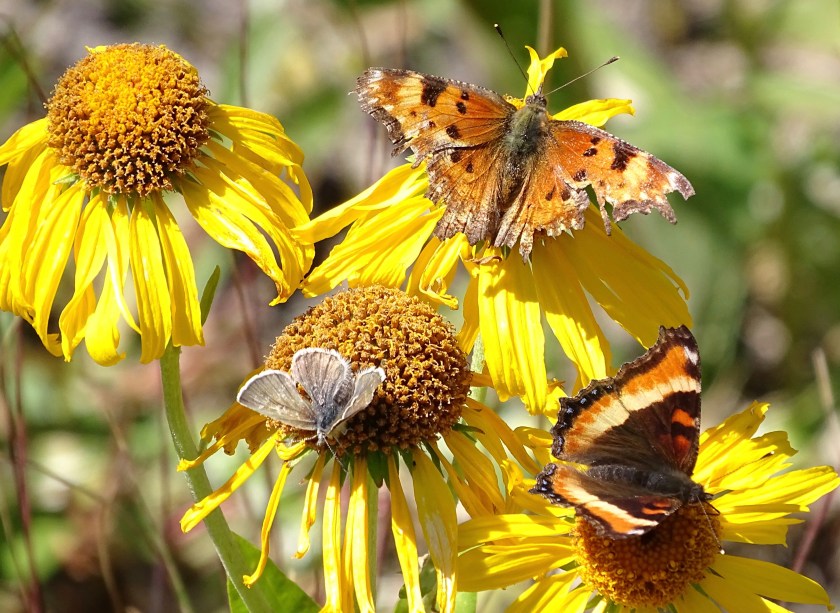
And the late-blooming Rudbeckia plays host to quite a few butterflies and even a wasp. I’ll put some determinations on these when I get them. The butterflies are, clockwise from top, the zephyr anglewing (Polygonia zephyrus), Milbert’s tortoiseshell (Nymphalis milberti), and again, the mountain blue (Agriades rustica). Tiger beetles are having a great time of it on the damp sand above Glen Cove.
This, I think, is a Sphecid:
Cicindela punctulata: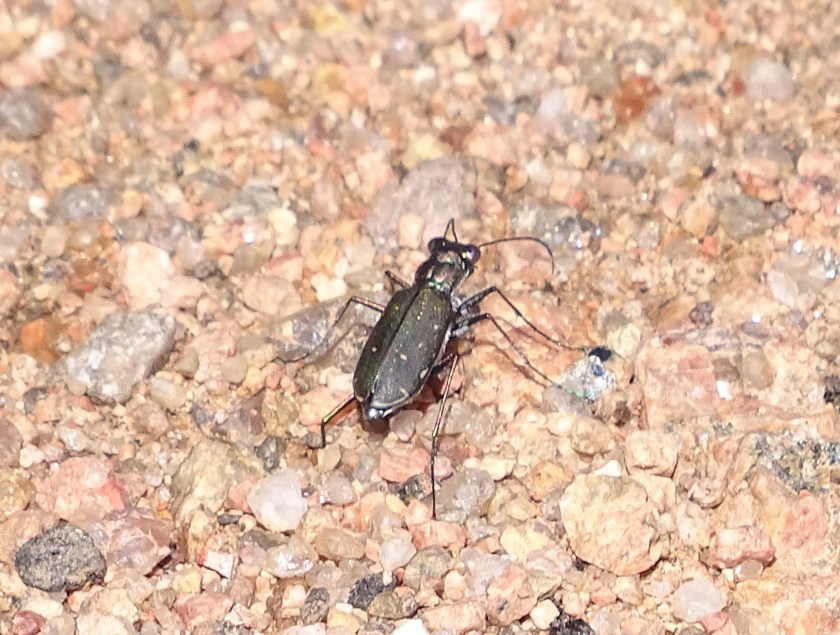
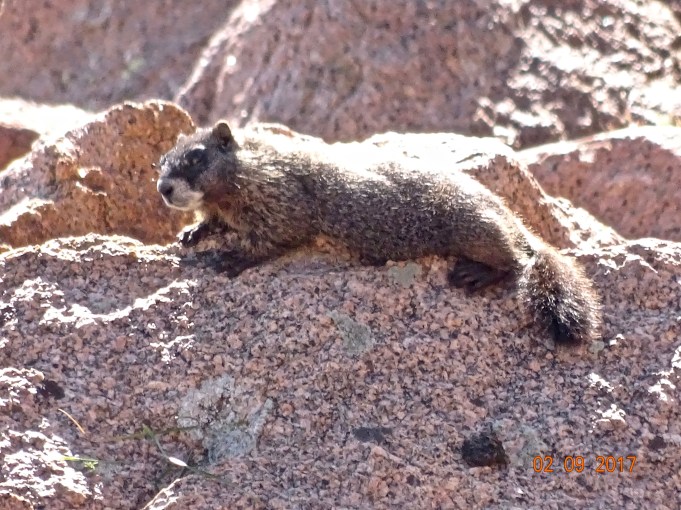
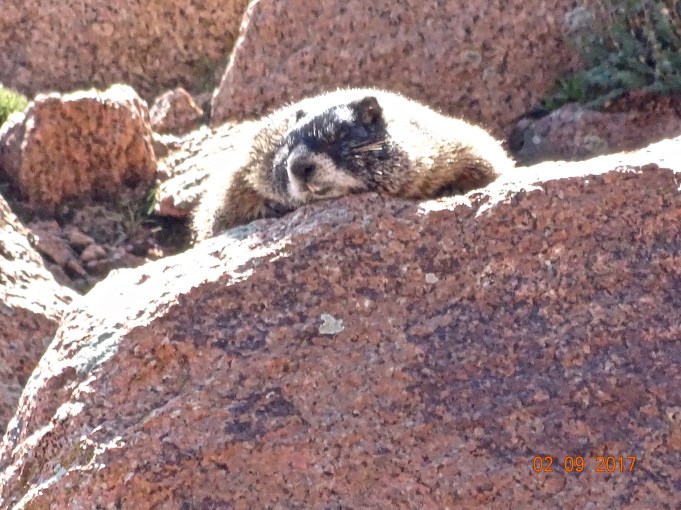
And in the rockslides I found four marmots, looking a lot like rocks, sunning themselves and barking at me.

 mountainbreakfast